
Chronic pain · Midlife
Half of midlife women live with chronic pain. Here’s what I want you to know.
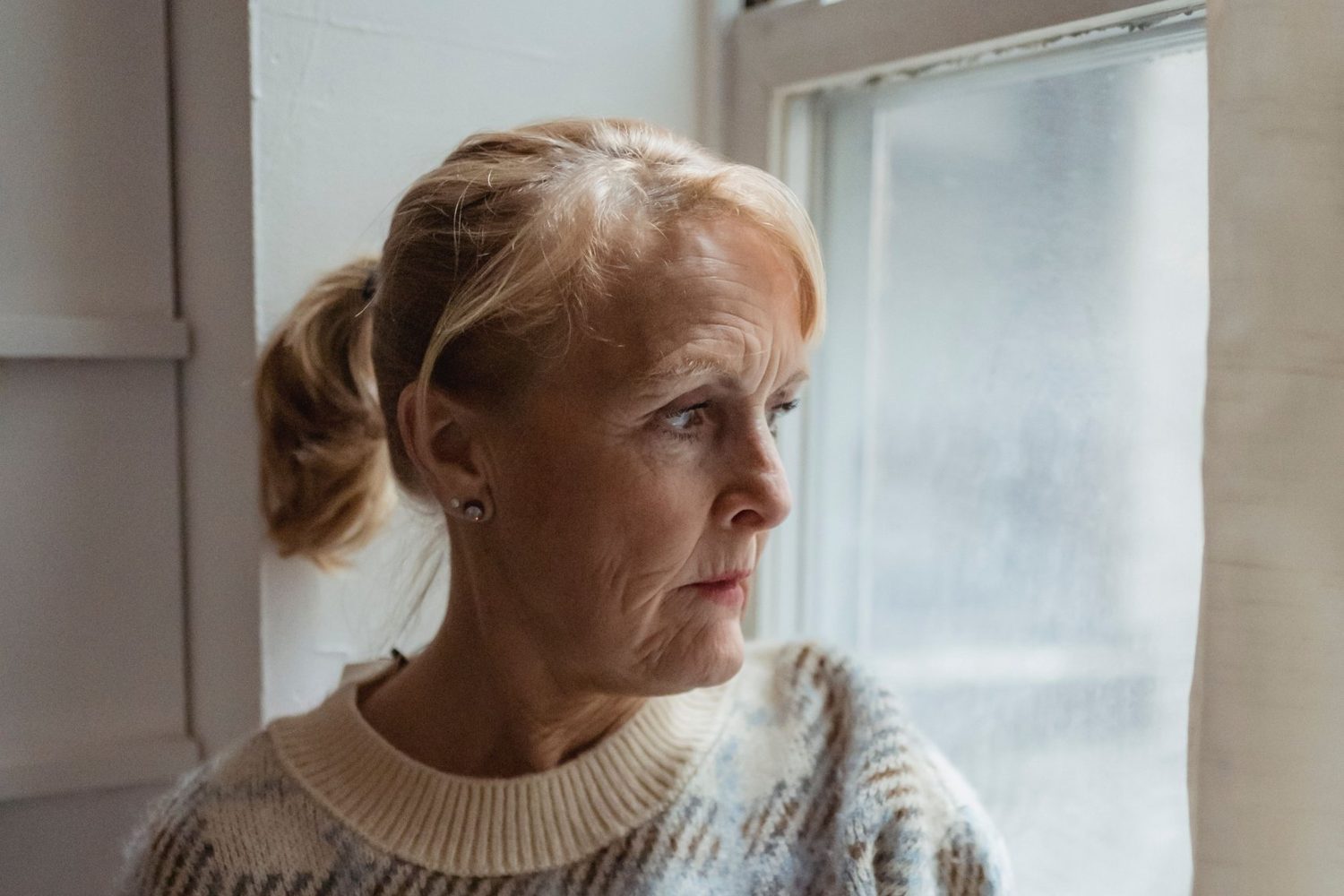
A news story caught my attention this week. The ABC reported on a new International Menopause Society report finding that around half of middle-aged women live with chronic pain.
Half.
If you’re one of them, I want to start here: you’re not alone, your pain is real, and it deserves to be taken seriously.
What the research is telling us
Chronic pain is pain that lasts longer than three months, or keeps coming back. According to the reporting:
- Women are up to 70% more likely than men to live with chronic pain.
- Nearly three in four women notice joint or muscle pain during perimenopause.
- Chronic Pain Australia’s 2026 National Pain Report, which surveyed more than 6,000 Australians, found women experience an average of 4.6 different types of chronic pain – things like migraine, back pain, pelvic pain, joint pain and nerve pain.
The president of the International Menopause Society described midlife chronic pain as “highly neglected”. Many women I speak with would agree. They’ve often been living with pain for years before anyone joins the dots.
Why does it seem to hurt everywhere?
The honest answer is that there’s rarely one single cause. Researchers describe midlife pain as a mix of biological, psychological and social factors all overlapping. A few that came up in the article:
Hormones. As oestrogen and progesterone fall through perimenopause and menopause, many women notice joint pain, stiffness and changes in muscle strength. Fluctuating hormones are also linked with migraines.
Sleep. Broken sleep is common in midlife, and poor sleep can make pain feel bigger and harder to cope with.
Load. Many women in their 40s and 50s are carrying a lot – work, children, ageing parents, a household to run. That ongoing load can turn up the volume on pain for some people.
A more sensitive nervous system. Some research suggests women may be more prone to something called central sensitisation. This is the part I want to spend a bit of time on, because it’s so often misunderstood.
Sensitisation doesn’t mean it’s in your head
Your nervous system includes your brain and your spinal cord. Together, they’re constantly deciding how much protection your body needs.
I often describe it like a guard dog. A good guard dog barks when something is genuinely wrong. But a guard dog that has been on duty for a long time – through stress, poor sleep, illness, hormonal change, or years of pushing through – can start barking at the postman, the wind, a leaf on the path. It’s not being silly. It has learnt that the world needs watching closely.
When the nervous system has been on guard for a long time, it can become more sensitive. It sends more protective signals, and pain can show up more easily, last longer or spread to new places.
That pain isn’t imagined, exaggerated or “just stress”. And the good news is that a nervous system can also learn to come back to balance.
Being believed matters
The chair of Chronic Pain Australia noted in the article that many people with chronic pain feel dismissed. I hear this often. Women tell me they’ve been told their scans are normal, that it’s their age, or that they should just relax.
If that’s been your experience, I’m sorry. Feeling dismissed can add its own layer of stress, and that can make pain harder to live with. You deserve care that listens to the whole picture.
What can help
The experts in the article were clear on a few things, and they line up with how I work.
Start with your GP. It’s important to rule out other causes and talk through your options. For some women, menopausal hormone therapy may ease some symptoms, but medication isn’t the only path. If you have a chronic condition, your GP can also talk with you about whether a GP Chronic Condition Management Plan is right for you, which may help with the cost of allied health care like physiotherapy.
Look at the whole person, not separate parts. Pain, sleep, mood, energy and hormones all talk to each other. Treating each one in isolation often misses what’s underneath.
Get support early. Earlier care is linked with better outcomes. You don’t need to wait until things are unbearable.
Sleep, movement and nourishment – in a way that’s doable. These matter, but they’re hard to prioritise when you’re exhausted and in pain. Small, realistic steps count.
Physiotherapy can help. This was named in the article as one of the options, and it’s the work I do.
How I work with midlife pain
At ReCentre Physio, I look at pain through the lens of the nervous system as well as the body. Together, we explore what’s been happening for you, what tends to make things better or worse, and what matters most to you.
From there, the work is gentle and paced. It might include:
- understanding your pain, so it feels less confusing and frightening
- simple ways to help your nervous system find the foot brake and feel safer
- movement that builds strength and confidence without flaring you up
- pacing, so you’re not stuck in a boom-and-bust cycle
- working alongside your GP, psychologist or specialists, with your permission.
You don’t need to tell your whole story to do this work, and you never have to push through.
The bigger picture
One of the experts in the article made a point I really appreciated: supporting women through midlife isn’t only about individual treatment. It’s also about fairer sharing of the emotional and practical load at home, and financial security so women have real choices.
That resonates with a lot of the women I see – capable, caring people who have looked after everyone else for a long time. Sometimes part of easing pain is gently making room for yourself, too.
If this sounds familiar
If you’re living with pain that hasn’t been explained, or you’ve been told it’s “just stress”, I’d love to help you make sense of it.
I offer telehealth physiotherapy Australia-wide, so you can do this from home. You can book an initial assessment, or take my free Survival Mode Self-Check to see whether an overwhelmed nervous system might be part of your picture. If you have questions first, you’re welcome to email me at [email protected].
This article is general information, not individual medical advice. If you have new, severe or worsening pain, please see your GP.
Source: “Half of middle-aged women live with chronic pain”, ABC News, 8 November 2026.